
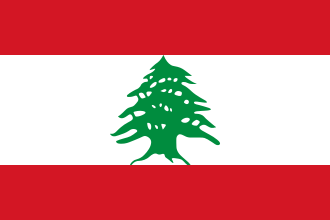
Lebanon
Lebanon, officially the Lebanese Republic, is a country in the Middle East, located on the eastern shore of the Mediterranean Sea. It shares borders with Syria to the north and east, and Israel to the south. Lebanon is known for its rich cultural heritage, diverse religious communities, and historical significance in the region.
Lebanon covers an area of approximately 10,452 square kilometres and has a population of around 5.3 million people as of 2024–2025.
Key Country Information
- Capital City: Beirut
- Head of State (President): Michel Aoun
- Head of Government (Prime Minister): Najib Mikati
- Official Languages: Arabic (official), French and English widely used
- Currency: Lebanese Pound (LBP)
- International Dialing Code: +961
Population and Economy
Lebanon has a population of approximately 5.3 million. Its economy is service-oriented, with key sectors including banking, tourism, trade, and agriculture. Lebanon has historically been a regional financial hub, although recent economic crises, currency devaluation, and political instability have posed major challenges.
Foreign nationals often work in banking, education, healthcare, tourism, and NGOs. Living standards vary between urban areas like Beirut and rural regions, with costs in major cities being relatively high compared to smaller towns.
International Memberships
- United Nations (UN): Member since 1945
- Arab League: Member since 1945
- Organisation of Islamic Cooperation (OIC): Member since 1969
- World Trade Organization (WTO): Observer
- Non-Aligned Movement (NAM): Member since 1961
Living and Working in Lebanon
Foreign nationals require a work permit issued by the Lebanese Ministry of Labor to work legally. Employment opportunities are available in sectors such as banking, healthcare, education, tourism, and NGOs. Employers typically sponsor the work permit and residence visa.
Lebanon has a vibrant cultural and social life, particularly in Beirut, but political and economic challenges can affect stability and employment. Health insurance and proof of financial means are often required for long-term residence.
Summary
Lebanon is a culturally rich and historically significant Middle Eastern country with a diverse economy and population. Foreign nationals can work legally with a permit, mainly in service, education, healthcare, and tourism sectors. Lebanon is an active member of the UN, Arab League, OIC, and Non-Aligned Movement.