
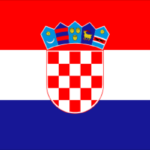

Croatia has officially adopted important amendments to the Foreigners Act, introducing new rules that will affect foreign workers, employers, students, recruitment agencies, and the overall work permit system in the country.
The changes were approved by the Croatian Parliament and are part of Croatia’s broader effort to improve migration management, protect workers, and respond to labour shortages affecting many sectors of the economy.
The new rules are expected to impact thousands of foreign workers currently working in Croatia, as well as those planning to move there for employment in the future.
Why Croatia Is Changing the Foreign Workers System
In recent years, Croatia has become increasingly dependent on foreign workers due to labour shortages in sectors such as:
- Construction
- Tourism and hospitality
- Transport and logistics
- Shipbuilding
- Manufacturing
- Agriculture
At the same time, the European Union continues to strengthen migration policies and border management following years of migration pressure across Europe.
As a member of the Schengen Area and the European Union, Croatia is now updating its laws to balance:
- Economic needs
- Worker protection
- Security concerns
- Legal migration control
New Croatian Language Requirement for Foreign Workers
One of the biggest changes is the introduction of a Croatian language and Latin script requirement for certain residence and work permit extensions.
According to the adopted amendments, some foreign workers may need to demonstrate basic Croatian language knowledge at approximately A1.1 level when extending permits in the future.
The government says the goal is to:
- Improve integration of foreign workers
- Help communication at workplaces
- Increase safety and understanding of regulations
- Support long-term residence and employment
Authorities are expected to provide additional details regarding:
- Who must take the language test
- Possible exemptions
- Deadlines for implementation
- How exams will be organized
Easier Employer Change for Foreign Workers
The amendments also introduce more flexibility for foreign workers who wish to change employers.
Under the new system, workers may be able to change employers after working for a certain period with their first employer, without restarting the entire residence and work permit process from the beginning.
This change is intended to:
- Reduce worker exploitation
- Improve labour mobility
- Allow workers to find better working conditions
- Help companies fill labour shortages faster
Additional administrative procedures will still apply, and workers must continue following Croatian immigration and labour regulations.
New Digital Communication Through e-Građani
Croatia is also expanding digital communication between institutions, employers, and foreign workers through the e-Građani system.
The goal is to simplify administrative procedures, reduce paperwork, and speed up communication related to:
- Work permits
- Residence permits
- Employment notifications
- Official decisions
This digital modernization is part of Croatia’s wider public administration reform.
What Happens If a Foreign Worker Loses a Job?
The new amendments introduce clearer rules for workers whose employment ends.
Foreign workers must report to the Croatian Employment Service (HZZ) within five days after losing employment.
The law also allows certain unemployed foreign workers to remain in Croatia temporarily while searching for new employment, depending on their permit status and work history.
Authorities say these changes are intended to provide better worker protection while maintaining control over legal employment status.
Stricter Rules for Employers
Croatia is introducing stricter conditions for employers who hire foreign workers.
Employers may face:
- Additional financial checks
- Stricter labour compliance rules
- New requirements regarding domestic workforce ratios
- Greater oversight from authorities
The government says these measures aim to prevent abuse and ensure fair working conditions.
Longer Residence Permits for Foreign Students
The amendments also include changes for international students studying in Croatia.
Temporary residence permits for foreign students may now be approved for periods of up to three years under certain conditions.
This is expected to simplify the administrative process for students enrolled in longer academic programs.
Croatia’s Growing Dependence on Foreign Workers
Croatia’s economy increasingly depends on workers from third countries due to labour shortages and demographic challenges.
Thousands of foreign workers currently come to Croatia from countries such as:
- Nepal
- India
- Philippines
- Bangladesh
- Serbia
- Bosnia and Herzegovina
Many sectors would struggle to operate without foreign labour, especially during the tourism and construction seasons.
What Foreign Workers Should Do Now
Foreign workers currently living or planning to work in Croatia should:
- Follow updates from official Croatian authorities
- Prepare for possible Croatian language requirements
- Keep documents updated
- Understand work permit extension procedures
- Learn basic Croatian communication skills
- Monitor official implementation dates of the new law
Conclusion
The newly adopted amendments to Croatia’s Foreigners Act represent one of the most significant changes to the country’s foreign labour system in recent years.
The reforms aim to strengthen migration management, improve worker protection, modernize administrative procedures, and better respond to Croatia’s growing labour market needs.
Although some rules will apply gradually after official publication in the Official Gazette, foreign workers and employers are strongly advised to stay informed and prepare for the upcoming changes.
Frequently Asked Questions (FAQ)
Has Croatia officially adopted the new Foreigners Act amendments?
Yes. The Croatian Parliament has adopted the amendments, but some rules will apply after publication in the Official Gazette.
Will Croatian language become mandatory for foreign workers?
For certain permit extensions, basic Croatian language knowledge may become a requirement in the future.
Can foreign workers change employers more easily now?
Yes. The amendments aim to make employer changes easier under specific conditions.
What is e-Građani?
e-Građani is Croatia’s digital public administration platform used for communication and government services.
Do foreign workers need to report unemployment?
Yes. Workers must notify the Croatian Employment Service (HZZ) within the required deadline after losing a job.