
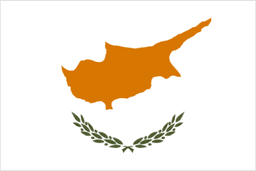
Cyprus News
Cyprus, officially the Republic of Cyprus, is an island country in the Eastern Mediterranean, geographically located at the crossroads of Europe, Asia, and the Middle East. It is south of Turkey, west of Syria and Lebanon, and north of Egypt. Cyprus is known for its warm climate, rich history, and strategic importance in the Mediterranean region.
Cyprus covers an area of approximately 9,251 square kilometres and has a population of around 1.26 million people as of 2024. The island is a regional hub for tourism, business, and financial services.
Key Country Information
- Capital City: Nicosia
- Head of State (President): Nikos Christodoulides
- Official Languages: Greek, Turkish
- Currency: Euro (EUR)
- International Dialing Code: +357
Population and Economy
As of 2024, Cyprus has an estimated population of approximately 1.26 million. The economy is largely service-based, with major sectors including tourism, financial services, shipping, real estate, and information technology.
Cyprus is also a regional business and investment hub, particularly for companies operating between Europe and the Middle East. The cost of living is moderate compared to many Western European countries, and English is widely spoken in business and daily life.
International Memberships
- United Nations (UN): Member since 1960
- European Union (EU): Member since 2004
- Euro Area: Member since 2008
- Schengen Area: ❌ Not yet (Schengen membership pending)
- Commonwealth of Nations: Member since 1961
Living and Working in Cyprus
Cyprus is an attractive destination for foreign nationals due to:
- A strong tourism and services sector
- Favorable business and tax environment
- Warm climate and Mediterranean lifestyle
- EU labor protections
EU/EEA citizens may live and work in Cyprus without a permit. Non-EU citizens generally require a residence and work permit, depending on the nature and duration of employment.
Summary
Cyprus is a strategically located EU member state at the crossroads of Europe and Asia, with a stable economy, euro currency, and strong international connections. While not yet part of the Schengen Area, it remains a popular destination for work, business, and long-term residence in the Mediterranean region.
No posts found.