
Liechtenstein News
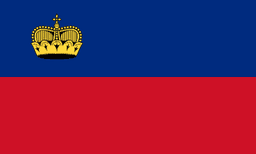
Liechtenstein, officially the Principality of Liechtenstein, is a small landlocked country in Central Europe. It is located in the Alps and bordered by Switzerland to the west and south and Austria to the east and north.
The country covers an area of approximately 160 square kilometres and has a population of around 40,000 people. Despite its small size, Liechtenstein is one of the wealthiest countries in the world, known for its strong financial sector and high standard of living.
Key Country Information
- Capital City: Vaduz
- Head of State: Prince Hans-Adam II
- Head of Government (Prime Minister): Daniel Risch
- Official Language: German
- Currency: Swiss Franc (CHF)
- International Dialing Code: +423
Population and Economy
As of 2024–2025, Liechtenstein has an estimated population of approximately 40,000. The country has a highly developed and diversified economy with very low unemployment.
Key economic sectors include financial services, precision manufacturing, industrial goods, and advanced engineering. Liechtenstein is home to several internationally active companies and has one of the highest GDPs per capita globally.
European Union and Schengen Status
Liechtenstein is not a member of the European Union but is closely integrated with European economic structures.
- EU Member State since: ❌ Not a member
- Euro Area Member since: ❌ Uses Swiss Franc (CHF)
- Schengen Area Member since: ✅ 2011
Liechtenstein is part of the European Economic Area (EEA), allowing close economic cooperation with EU countries, and participates fully in the Schengen Area.
Living and Working in Liechtenstein
Liechtenstein offers excellent living standards, high wages, and strong social security, but housing is limited and expensive.
EU/EEA citizens may work in Liechtenstein but are subject to strict quota regulations. Non-EU citizens require a residence permit and work permit, which are issued in very limited numbers.
Summary
Liechtenstein is a wealthy Central European microstate with a strong industrial and financial economy. Although it is not part of the EU or Eurozone, it is a member of the Schengen Area and EEA, making it closely connected to Europe while maintaining its political independence.
No posts found.