
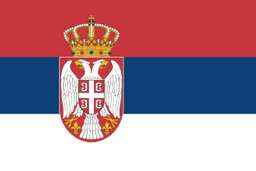
Serbia News
Serbia, officially the Republic of Serbia, is a landlocked country in Southeast Europe, located in the central part of the Balkan Peninsula. It borders Hungary to the north, Romania to the northeast, Bulgaria to the east, North Macedonia to the south, Croatia, Bosnia and Herzegovina, and Montenegro to the west, and Kosovo to the south (status subject to international recognition).
Serbia covers an area of approximately 88,361 square kilometres and has a population of around 6.6 million people. The country is known for its rich history, strategic location, cultural diversity, and role as a key transit and trade route between Central and Southeast Europe.
Key Country Information
-
Capital City: Belgrade
-
Head of State (President): Aleksandar Vučić
-
Head of Government (Prime Minister): Miloš Vučević
-
Official Language: Serbian
-
Currency: Serbian Dinar (RSD)
-
International Dialing Code: +381
Population and Economy
As of 2024–2025, Serbia’s population is estimated at around 6.6 million, with gradual demographic decline similar to other Balkan countries.
Serbia has a mixed and growing economy, with key sectors including:
- Manufacturing and automotive components
- Information technology and software development
- Agriculture and food processing
- Energy and mining
- Trade, logistics, and services
Belgrade and Novi Sad are the main economic centers, with increasing foreign investment from both EU and non-EU countries. Serbia has free-trade agreements with the EU, CEFTA countries, and other partners.
European Union and Schengen Status
Serbia is not a member of the European Union, Eurozone, or Schengen Area, but it maintains close ties with the EU:
- EU Member State: Not a member (EU candidate country since 2012)
- Euro Area Member: Uses Serbian Dinar (RSD)
- Schengen Area Member: Not a member
Serbian citizens currently require a Schengen visa for travel to Schengen countries, while EU citizens can enter Serbia visa-free for short stays.
Living and Working in Serbia
Serbia is becoming an increasingly attractive destination for foreign nationals due to:
- Competitive cost of living
- Growing IT and tech sector
- Strategic location between East and West
- Friendly visa policies for certain nationalities
EU and non-EU citizens generally require a temporary residence permit and work permit to legally work in Serbia. Work authorization is typically linked to a specific employer or business activity.
Summary
Serbia is a Southeast European country with a developing economy, strategic geographic position, and EU candidate status. While it is not part of the EU, Eurozone, or Schengen Area, Serbia offers growing opportunities in technology, manufacturing, and services, making it an appealing destination for work, investment, and long-term residence in the Balkans.
No posts found.