
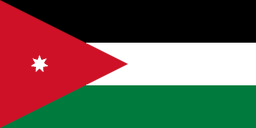
Jordan News
Jordan, officially the Hashemite Kingdom of Jordan, is a country in Western Asia, bordered by Saudi Arabia, Iraq, Syria, Israel, and Palestine, with a coastline along the Gulf of Aqaba. Jordan is known for its ancient history, archaeological sites such as Petra, and political stability in the region.
Jordan covers an area of approximately 89,342 square kilometres and has a population of around 11.3 million people as of 2024–2025.
Key Country Information
- Capital City: Amman
- Head of State (King): Abdullah II
- Head of Government (Prime Minister): Bisher Al-Khasawneh
- Official Language: Arabic
- Currency: Jordanian Dinar (JOD)
- International Dialing Code: +962
Population and Economy
Jordan has a population of approximately 11.3 million. Its economy relies on services, tourism, finance, and phosphate mining. Limited natural resources make it heavily dependent on foreign aid and trade.
Key industries include tourism, ICT, chemicals, and construction. Jordan has become a hub for education, healthcare, and technology in the region.
International Memberships
- United Nations (UN): Member since 1955
- Arab League: Member since 1945
- Organisation of Islamic Cooperation (OIC): Member since 1969
- Non-Aligned Movement (NAM): Member since 1961
- World Trade Organization (WTO): Member since 2000
Living and Working in Jordan
Living in Jordan is concentrated in cities such as Amman, Zarqa, and Irbid. The cost of living is moderate, and the country is known for its stability, safety, and cultural richness.
Foreign nationals require a residence permit and work visa to work legally. Employment opportunities exist in education, healthcare, technology, tourism, and multinational companies, usually requiring employer sponsorship.
Summary
Jordan is a Western Asian country with a stable political environment, growing economy, and rich cultural heritage. It is a member of the UN, Arab League, OIC, NAM, and WTO, playing an active role in regional and international affairs.
No posts found.