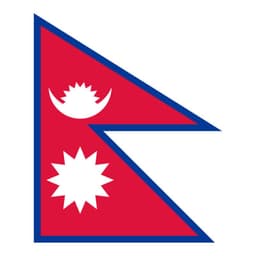
Nepal, officially the Federal Democratic Republic of Nepal, is a landlocked country located in South Asia. It is bordered by China (Tibet Autonomous Region) to the north and India to the south, east, and west. Nepal is known worldwide for the Himalayan mountain range, including Mount Everest, the highest peak on Earth.
Nepal covers an area of approximately 147,516 square kilometres and has a population of around 30 million people as of 2025–2026. The country has a diverse culture, rich history, and a developing economy with strong overseas employment ties.
Key Country Information
- Capital City: Kathmandu
- Head of State (President): Ram Chandra Poudel
- Head of Government (Prime Minister): Pushpa Kamal Dahal (Prachanda)
- Official Language: Nepali
- Currency: Nepalese Rupee (NPR)
- International Dialing Code: +977
Population and Economy
Nepal has a population of approximately 30 million. Its economy is largely based on agriculture, remittances, tourism, and services. A significant portion of Nepal’s GDP comes from remittances sent by Nepali workers employed abroad.
Key economic sectors include agriculture, hydropower, tourism, construction, and small-scale manufacturing. In recent years, Nepal has focused on infrastructure development and expanding energy production, particularly hydropower projects.
International Memberships
- United Nations (UN): Member since 1955
- South Asian Association for Regional Cooperation (SAARC): Founding member since 1985
- World Trade Organization (WTO): Member since 2004
- Non-Aligned Movement (NAM): Member since 1961
- Bay of Bengal Initiative (BIMSTEC): Member since 2004
Living and Working in Nepal
Living conditions in Nepal vary by region. Major cities such as Kathmandu, Pokhara, and Lalitpur offer better infrastructure and services, while rural areas remain more limited in development. The cost of living is relatively low compared to many countries.
Foreign nationals require appropriate visas and work permits to work legally in Nepal. Employment opportunities for foreigners are mainly found in tourism, education, development organizations, hydropower projects, and international NGOs.
Summary
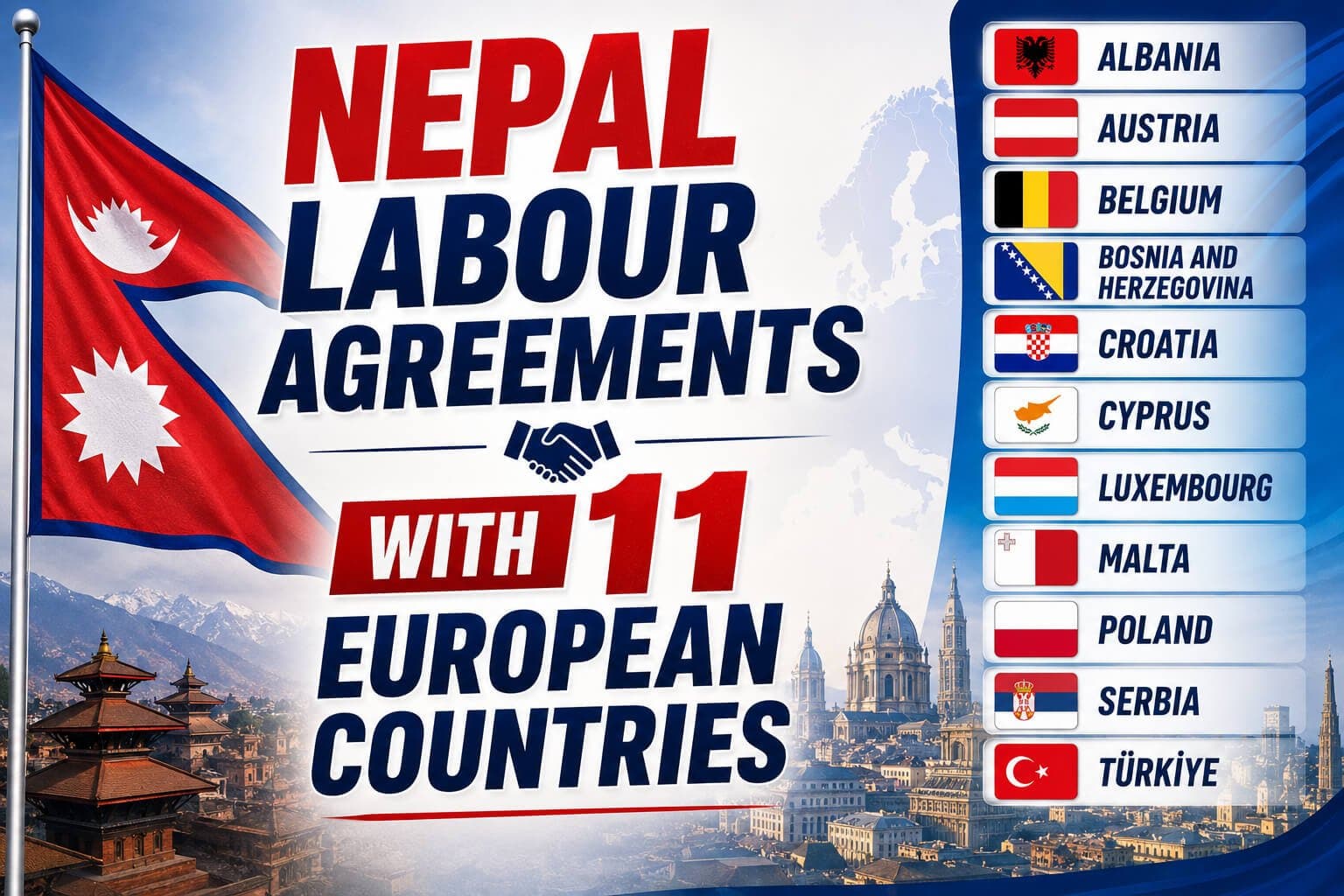
Nepal is a South Asian country with rich cultural heritage, strategic regional importance, and a developing economy. As a member of major international organizations such as the UN, SAARC, WTO, and NAM, Nepal continues to strengthen international cooperation while remaining a key source country for overseas workers.