
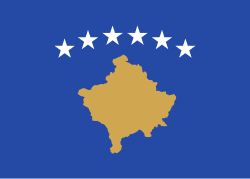
Kosovo News
Kosovo, officially the Republic of Kosovo, is a landlocked country in Southeast Europe located in the central Balkans. It shares borders with Serbia to the north and east, Montenegro to the northwest, Albania to the west, and North Macedonia to the south.
Kosovo covers an area of approximately 10,887 square kilometres and has a population of around 1.7 million people. The country has a young population and a rich cultural heritage influenced by Albanian, Serbian, Ottoman, and Balkan traditions.
Key Country Information
- Capital City: Pristina
- Head of State (President): Vjosa Osmani
- Head of Government (Prime Minister): Albin Kurti
- Official Languages: Albanian, Serbian
- Currency: Euro (EUR)
- International Dialing Code: +383
Population and Economy
As of 2024–2025, Kosovo’s population is estimated at approximately 1.7 million. The country has one of the youngest populations in Europe and a developing economy.
Key economic sectors include services, trade, construction, agriculture, energy, and remittances from the Kosovar diaspora. Small and medium-sized enterprises play an important role in employment and economic activity.
European Union and Schengen Status
Kosovo is not a member of the European Union, Eurozone, or Schengen Area, but it maintains close relations with the EU.
- EU Member State since: ❌ Not a member
- Euro Area Member since: ❌ Not a member (uses the euro unilaterally)
- Schengen Area Member since: ❌ Not a member
Living and Working in Kosovo
Kosovo offers a relatively low cost of living and growing opportunities in construction, services, IT, and entrepreneurship.
EU and non-EU citizens generally require a residence permit and work permit to legally live and work in Kosovo. Employment authorization is typically linked to a local employer or registered business.
Summary
Kosovo is a young Southeast European country with a developing economy and strong ties to the European Union. Although it is not part of the EU, Eurozone, or Schengen Area, Kosovo uses the euro and continues to pursue closer European integration.
No posts found.