Croatia is preparing important changes to its foreign worker system in 2026. The government has proposed new rules that will affect work permit renewal, unemployment periods, employer eligibility, and job...
Read More
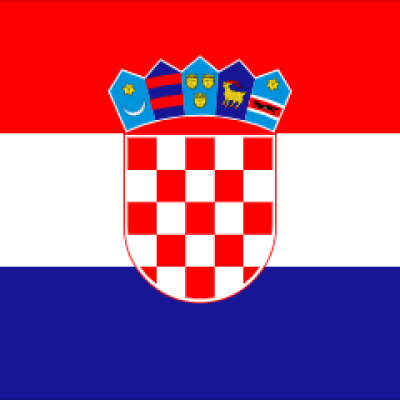
Croatia
Croatia, officially the Republic of Croatia, is a country located in Southeastern and Central Europe. It shares borders with Slovenia to the northwest, Hungary to the northeast, Serbia to the east, Bosnia and Herzegovina to the southeast, and Montenegro to the south. Croatia also has a long coastline along the Adriatic Sea, making it one of Europe’s most popular tourist destinations.
The country covers an area of approximately 56,594 square kilometres and has a population of around 3.9 million people. Croatia’s strategic location and EU membership have made it an important gateway between Central Europe and the Balkans.
Key Country Information
Capital City: Zagreb
Head of State (President): Zoran Milanović
Head of Government (Prime Minister): Andrej Plenković
Official Language: Croatian
Currency: Euro (EUR)
International Dialing Code: +385
Population and Economy
As of 2024, Croatia’s population is estimated at approximately 3.9 million. The country has a mixed economy, with major contributions from tourism, manufacturing, shipbuilding, agriculture, and services.
Tourism plays a vital role in Croatia’s economy, accounting for a significant portion of GDP. In recent years, Croatia has also faced labor shortages, leading to increased demand for foreign workers across multiple sectors.
European Union and Schengen Status
Croatia is fully integrated into major European frameworks:
EU Member State since: 2013
Euro Area Member since: 2023
Schengen Area Member since: 2023
As a member of the EU, Eurozone, and Schengen Area, Croatia allows free movement within Schengen countries and uses the euro as its official currency, simplifying travel and business operations.
Living and Working in Croatia
Croatia has become an increasingly attractive destination for foreign workers due to:
High demand for labor in construction, tourism, hospitality, and manufacturing
Simplified work permit procedures
EU labor standards and protections
EU/EEA citizens can live and work in Croatia without a permit. Non-EU citizens must obtain a stay and work permit, usually tied to a specific employer and job role.
Summary
Croatia is a modern European country with strong tourism, growing economic opportunities, and full participation in EU institutions. Its membership in the EU, Eurozone, and Schengen Area makes it an appealing option for foreign workers, investors, and long-term residents.