
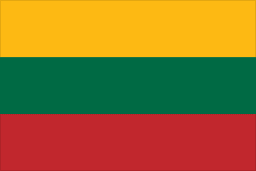
Lithuania News
Lithuania, officially the Republic of Lithuania, is a country located in Northern Europe on the eastern shore of the Baltic Sea. It shares borders with Latvia to the north, Belarus to the east and south, Poland to the south, and Russia (Kaliningrad) to the west. Lithuania is known for its medieval towns, castles, and scenic landscapes including forests, lakes, and rivers.
The country covers an area of approximately 65,300 square kilometres and has a population of around 2.8 million people. Lithuania is a modern, EU-integrated state with a growing economy and strong cultural heritage.
Key Country Information
-
Capital City: Vilnius
-
Head of State (President: Gitanas Nausėda
-
Head of Government (Prime Minister): Ingrida Šimonytė
-
Official Language: Lithuanian
-
Currency: Euro (EUR)
-
International Dialing Code: +370
Population and Economy
As of 2024, Lithuania’s population is approximately 2.8 million. The country has a diversified economy, with major sectors including information technology, manufacturing, logistics, agriculture, and services.
Lithuania has positioned itself as a growing hub for startups and technology innovation, supported by EU membership, digital infrastructure, and skilled labor.
European Union and Schengen Status
Lithuania is fully integrated into European institutions:
-
EU Member State since: 2004
-
Euro Area Member since: 2015
-
Schengen Area Member since: 2007
Lithuania uses the euro as its official currency and participates in the Schengen Area, allowing passport-free travel to most European countries.
Living and Working in Lithuania
Lithuania is an attractive destination for foreign workers due to:
-
Growing demand for IT specialists, engineers, and service professionals
-
Affordable cost of living compared to Western Europe
-
EU labor protections and social benefits
-
Rich cultural and natural environment
EU/EEA citizens can live and work in Lithuania without a permit. Non-EU citizens generally require a residence and work permit, which is typically tied to a specific employer or type of employment.
Summary
Lithuania is a Northern European country with a modern economy, EU and Eurozone membership, and Schengen integration. Its growing technology sector, strategic location, and high quality of life make it an appealing destination for work, business, and long-term residence.
No posts found.