
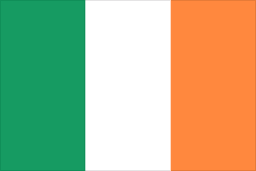
Ireland News
Ireland, officially the Republic of Ireland, is a country in Western Europe occupying most of the island of Ireland. It shares its only land border with Northern Ireland, which is part of the United Kingdom, and is otherwise surrounded by the Atlantic Ocean, Irish Sea, and Celtic Sea. Ireland is known for its lush landscapes, historic castles, and vibrant culture.
The country covers an area of approximately 70,273 square kilometres and has a population of around 5.2 million people. Ireland is recognized for its strong economy, particularly in technology, finance, and pharmaceuticals.
Key Country Information
-
Capital City: Dublin
-
Head of State (President: Michael D. Higgins
-
Head of Government (Taoiseach/Prime Minister): Leo Varadkar
-
Official Languages: Irish, English
-
Currency: Euro (EUR)
-
International Dialing Code: +353
Population and Economy
As of 2024, Ireland has an estimated population of 5.2 million. The country has a highly developed and open-market economy, with major sectors including technology, pharmaceuticals, finance, agriculture, and tourism.
Ireland is home to many multinational corporations, especially in technology and finance, making it a popular destination for skilled professionals from across Europe and beyond.
European Union and Schengen Status
Ireland participates in the European Union with some exceptions:
-
EU Member State since: 1973
-
Euro Area Member since: 1999 (cash introduced in 2002)
-
Schengen Area Member since: ❌ Not a member
Ireland uses the euro as its official currency but has opted out of the Schengen Area. This means border controls remain in place with other non-Irish EU countries.
Living and Working in Ireland
Ireland is an attractive destination for foreign workers due to:
-
High demand for skilled professionals in IT, finance, engineering, and healthcare
-
Strong labor protections and employee rights
-
English-speaking environment and vibrant cultural life
-
Access to the wider EU market for business and work opportunities
EU/EEA citizens can live and work in Ireland without a permit. Non-EU citizens generally require a residence and work permit, which is typically tied to a specific employer or job type.
Summary
Ireland is a Western European country with a highly developed economy, EU membership, and use of the euro. While it is not part of the Schengen Area, its English-speaking environment, strong economy, and high quality of life make it a popular destination for work, business, and long-term residence.
No posts found.