
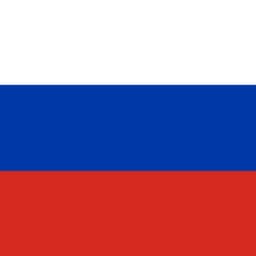
Russia News
Russia, officially the Russian Federation, is the largest country in the world by land area, spanning Eastern Europe and Northern Asia. It shares land borders with Norway, Finland, Estonia, Latvia, Lithuania, Poland, Belarus, Ukraine, Georgia, Azerbaijan, Kazakhstan, China, Mongolia, and North Korea. Russia also has extensive coastlines along the Arctic Ocean, Pacific Ocean, Baltic Sea, Black Sea, and Caspian Sea.
The country covers an area of approximately 17,098,242 square kilometres and has a population of around 146 million people. Russia is known for its vast natural resources, diverse landscapes, rich cultural heritage, and significant geopolitical influence.
Key Country Information
Capital City: Moscow
Head of State (President): Vladimir Putin
Head of Government (Prime Minister): Mikhail Mishustin
Official Language: Russian
Currency: Russian Ruble (RUB)
International Dialing Code: +7
Population and Economy
As of 2024, Russia’s population is approximately 146 million. The country has a resource-rich economy, with major sectors including oil and gas, mining, manufacturing, agriculture, defense, and services.
Russia is a leading exporter of energy resources, including natural gas and crude oil. Its economy also benefits from a large domestic market and a skilled workforce, although it faces challenges related to international sanctions and geopolitical tensions.
European Union and Schengen Status
Russia is not a member of the European Union, the Eurozone, or the Schengen Area. Travel to Russia from EU countries generally requires a visa, and Russian citizens also require visas to enter most EU countries.
Living and Working in Russia
Living and working in Russia may appeal to foreign nationals in certain sectors due to:
High demand for professionals in energy, IT, engineering, and specialized industries
Large domestic market and economic opportunities in major cities like Moscow and Saint Petersburg
Rich cultural, historical, and natural diversity
Non-Russian citizens typically require a residence permit, work visa, or work permit, depending on the type of employment and duration of stay.
Summary
Russia is a vast transcontinental country with a rich cultural heritage, resource-driven economy, and strategic global importance. While it is not part of the EU, Eurozone, or Schengen Area, Russia offers significant opportunities for work and business, particularly in energy, technology, and specialized sectors.
No posts found.